Hearty Beef Stew Noodle Soup: The Ultimate Comfort Bowl
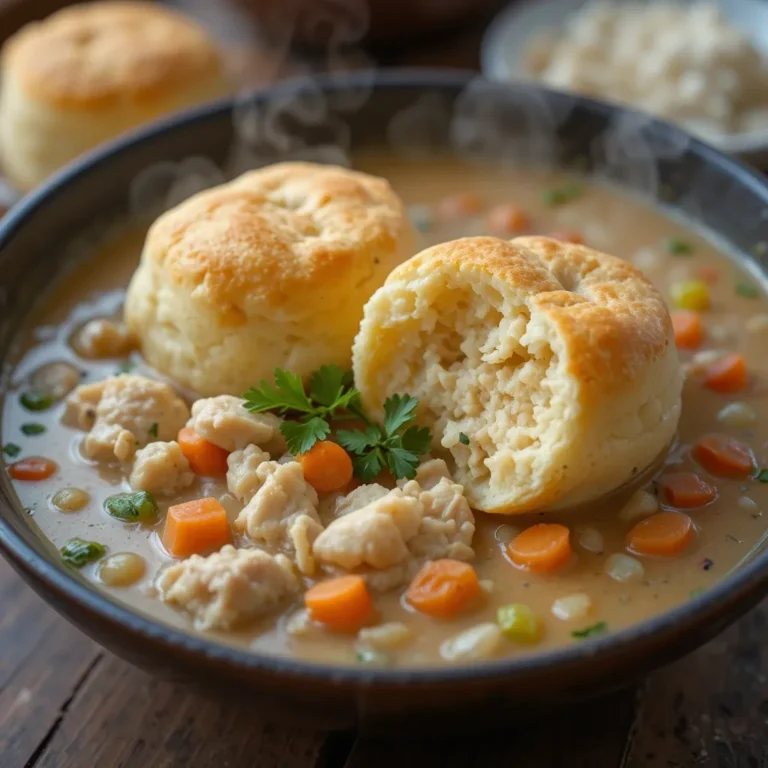
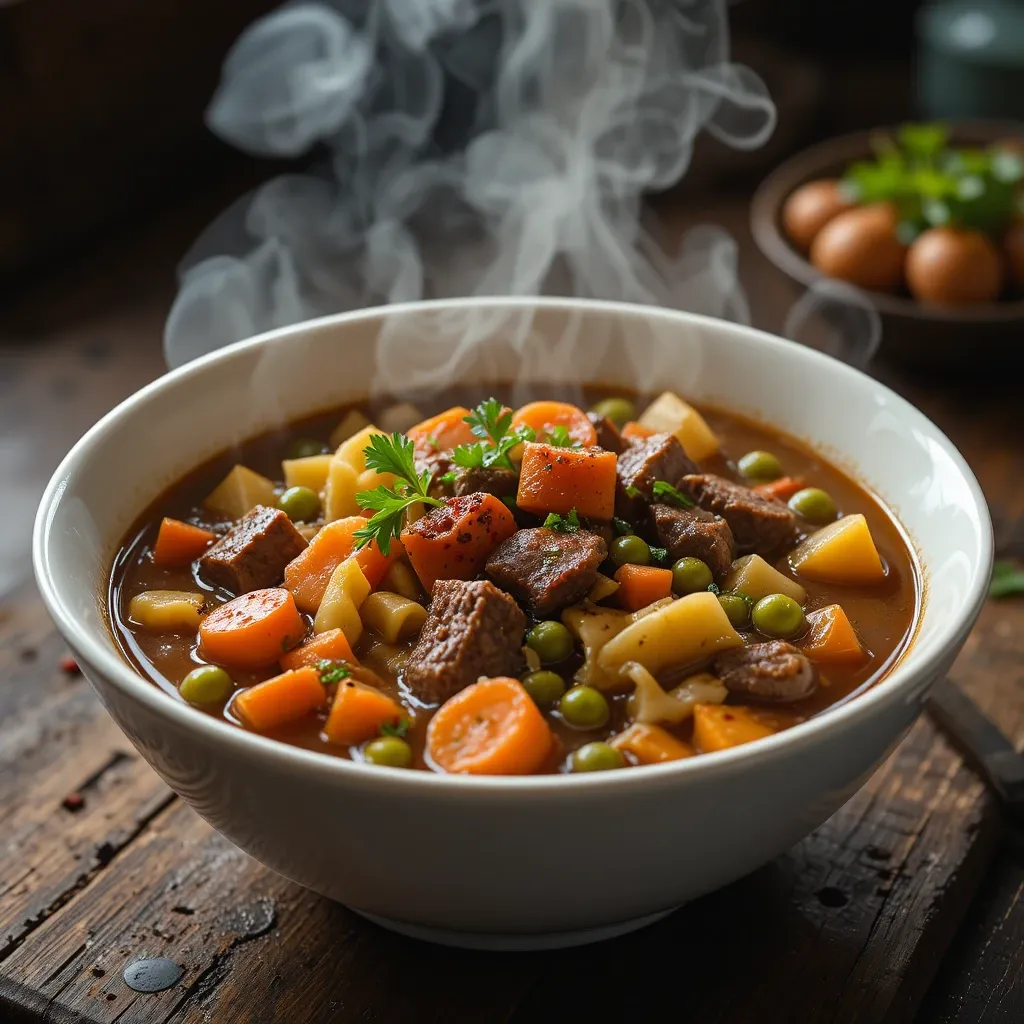
There’s nothing quite like a steaming bowl of beef stew noodle soup on a chilly evening. This rich, savory dish combines tender beef chunks, silky noodles, and aromatic vegetables in a deeply flavorful broth that warms you from the inside out.
I remember the first time my grandmother made this for me during a cold winter night—the way the steam rose from the bowl and the incredible aroma filled the kitchen is a memory I treasure. This recipe is surprisingly simple to make, takes just about an hour and a half, and feeds the whole family without breaking the bank.
If you loved our chicken noodle soup recipe, you’re going to absolutely adore this heartier, more robust version. Trust me, once you try this beef stew noodle soup, it’ll become your go-to comfort food!
What is Beef Stew Noodle Soup?
Ever wondered why something so simple has such a fancy-sounding name? Well, beef stew noodle soup is exactly what it sounds like—a beautiful marriage between classic beef stew and comforting noodle soup! It’s like someone took the best parts of both dishes and created the ultimate comfort food baby.
You know what they say: the way to anyone’s heart is through their stomach, and this dish definitely delivers on that promise. The tender beef, slurpy noodles, and rich broth create a trifecta of deliciousness that’ll have everyone asking for seconds. Don’t just take my word for it—head to your kitchen and see the magic happen for yourself!
Why You’ll Love This Beef Stew Noodle Soup
A One-Pot Wonder That Saves Time and Cleanup
The beauty of this beef stew noodle soup lies in its simplicity. Everything cooks together in one pot, which means less dishes to wash and more time to relax after dinner. The beef becomes melt-in-your-mouth tender as it simmers, while the vegetables release their natural sweetness into the broth, creating layers of flavor that taste like you’ve been cooking all day.
Budget-Friendly Without Compromising Flavor
Making this soup at home costs a fraction of what you’d pay at a restaurant. A few pounds of stew meat, some basic vegetables from your pantry, and simple seasonings transform into a meal that feeds six to eight people. Compare that to ordering takeout, and you’ll see why this recipe is a family favorite in my household.
Customize with Your Favorite Toppings
The best part? You can personalize each bowl! Fresh herbs like cilantro or parsley, a squeeze of lime, crispy fried onions, or a dash of hot sauce—everyone gets exactly what they want. The rich, beefy broth pairs beautifully with thick egg noodles, though you could easily swap them for rice noodles if you prefer. If you enjoyed our Asian-style pho recipe, you’ll love how this beef stew noodle soup offers similar depth with a more accessible ingredient list. Give it a try this weekend, and I promise your family will be requesting it weekly!
How to Make Beef Stew Noodle Soup
Quick Overview
This beef stew noodle soup is easier than you think! With straightforward steps and common ingredients, you’ll have a restaurant-quality meal ready in no time. The secret is in the slow simmering that creates a rich, velvety broth and tender beef that practically melts on your tongue. The entire process takes about 1 hour and 45 minutes, including prep time.
Time Breakdown:
- Prep Time: 15 minutes
- Cook Time: 1 hour 30 minutes
- Total Time: 1 hour 45 minutes
- Servings: 6-8 people
Key Ingredients for Beef Stew Noodle Soup
For the Soup:
- 2 pounds beef stew meat (chuck roast cut into 1-inch cubes)
- 2 tablespoons vegetable oil
- 1 large onion, diced
- 4 cloves garlic, minced
- 3 medium carrots, sliced
- 3 celery stalks, chopped
- 2 medium potatoes, cubed
- 8 cups beef broth
- 2 cups water
- 2 bay leaves
- 1 teaspoon dried thyme
- 1 teaspoon paprika
- 1 teaspoon black pepper
- 2 teaspoons salt (adjust to taste)
- 3 tablespoons tomato paste
- 2 tablespoons soy sauce
- 12 ounces egg noodles
- 1 cup frozen peas
- Fresh parsley for garnish
Optional Toppings:
- Fresh herbs (cilantro, parsley, or green onions)
- Crushed red pepper flakes
- Lime wedges
- Crispy fried onions
Step-by-Step Instructions
Step 1: Prepare the Beef
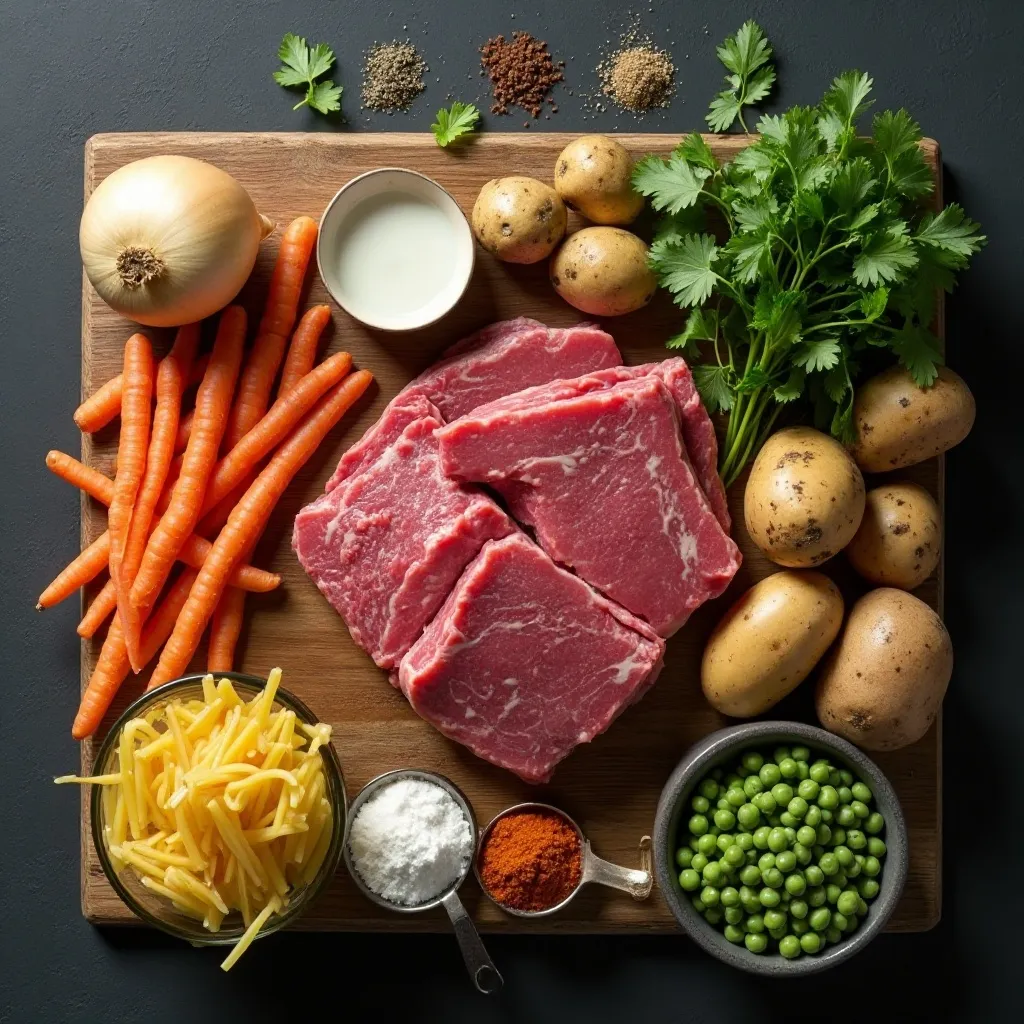
Start by patting your beef cubes dry with paper towels. This crucial step helps the meat brown properly instead of steaming. Season the beef generously with salt and pepper on all sides. Set it aside while you heat a large Dutch oven or heavy-bottomed pot over medium-high heat.
Step 2: Brown the Meat
Add the vegetable oil to your hot pot and wait until it shimmers. Working in batches to avoid overcrowding, add the beef cubes in a single layer. Let them sear undisturbed for 3-4 minutes until a deep brown crust forms on the bottom. Flip and brown the other sides. This process takes about 8-10 minutes total. Don’t rush this step—the caramelization adds incredible depth to your soup! Remove the browned beef to a plate and set aside.
Step 3: Build the Flavor Base
In the same pot with all those beautiful brown bits stuck to the bottom, reduce heat to medium and add the diced onions. Cook for about 5 minutes, stirring occasionally, until they become soft and translucent. Add the minced garlic and cook for another minute until fragrant. The onions will naturally help lift those flavorful bits from the pan bottom.
Step 4: Add Aromatics and Tomato Paste
Stir in the tomato paste, paprika, and dried thyme. Cook for 2 minutes, stirring constantly, to caramelize the tomato paste. This step removes any raw taste and intensifies the umami flavor. You’ll notice the paste darken slightly and smell incredibly savory.
Step 5: Deglaze and Simmer
Return the browned beef to the pot along with any accumulated juices. Pour in the beef broth and water, then add the soy sauce and bay leaves. Bring everything to a boil, then reduce the heat to low. Cover partially and let it simmer gently for 45 minutes. The beef should start becoming tender but won’t be fully there yet.
Step 6: Add the Vegetables
After 45 minutes, add the carrots, celery, and potatoes to the pot. Stir gently to combine. Continue simmering uncovered for another 30 minutes. The vegetables should be tender, and the beef should be fork-tender by now. If the beef isn’t tender enough, give it another 10-15 minutes.
Step 7: Cook the Noodles
While your stew continues to simmer, cook the egg noodles separately in a pot of boiling salted water according to package directions. Drain them well. I prefer cooking noodles separately because they won’t absorb all your delicious broth and the soup stays clearer. However, if you prefer a thicker consistency, you can add raw noodles directly to the soup during the last 10 minutes of cooking.
Step 8: Final Touches
Taste your broth and adjust the seasoning with more salt and pepper if needed. Add the frozen peas and let them warm through for 2-3 minutes. Remove the bay leaves and discard them. Add the cooked noodles to the pot or divide them among serving bowls and ladle the soup over top.
Step 9: Serve and Garnish
Ladle the hot beef stew noodle soup into large bowls, making sure each serving gets plenty of beef, vegetables, and noodles. Garnish with fresh chopped parsley and any additional toppings your family loves. Serve immediately while piping hot.
What to Serve Beef Stew Noodle Soup With
This soup is hearty enough to be a complete meal, but here are some wonderful accompaniments:
Crusty Bread: A warm baguette or sourdough bread is perfect for soaking up every last drop of that rich broth. Toast it with a bit of butter and garlic for extra indulgence.
Simple Side Salad: A crisp green salad with a light vinaigrette provides a refreshing contrast to the richness of the soup. Try mixed greens with cherry tomatoes, cucumber, and a lemon dressing.
Dinner Rolls: Soft, fluffy dinner rolls fresh from the oven make this meal feel extra special. They’re also great for little hands to hold!
Steamed Green Beans: Quick-steamed green beans with a pat of butter and a sprinkle of salt add a pop of color and extra vegetables to your meal.
Cheese and Crackers: Set out a small cheese board with crackers as an appetizer while the soup finishes cooking.
Top Tips for Perfecting Beef Stew Noodle Soup
Choose the Right Cut of Beef
Chuck roast is ideal because it has enough fat and connective tissue to become tender and flavorful during the long simmer. Avoid lean cuts like sirloin, as they’ll become tough and dry. If chuck isn’t available, beef shank or short ribs work beautifully too.
Don’t Skip the Browning Step
I know it’s tempting to skip this when you’re in a hurry, but browning the meat creates the foundation of flavor for your entire soup. Those caramelized bits add a depth that you simply can’t achieve any other way. Take the extra 10 minutes—it’s worth it!
Control Your Simmer
A gentle simmer with small bubbles is what you want, not a rolling boil. Boiling will make the beef tough and stringy. If your soup is bubbling too vigorously, reduce the heat. Low and slow is the way to go.
Layer Your Vegetables
Add harder vegetables like carrots and potatoes later in the cooking process so they don’t turn to mush. Delicate vegetables like peas or spinach should go in during the last few minutes. This ensures everything maintains the perfect texture.
Adjust the Consistency
If your soup is too thick, add more broth or water a cup at a time until it reaches your desired consistency. If it’s too thin, let it simmer uncovered for 15-20 minutes to reduce and concentrate the flavors. You can also mash one or two potato pieces against the side of the pot to naturally thicken the broth.
Season at the End
Soup concentrates as it cooks, so what tastes perfectly seasoned at the beginning might be too salty by the end. Always taste and adjust your seasonings just before serving.
Make It Ahead
This soup actually tastes better the next day after the flavors have had time to meld. Make it a day ahead, store it in the refrigerator, and reheat gently before serving. Just keep the noodles separate until you’re ready to eat.
Storing and Reheating Tips
Refrigerator Storage: Allow the soup to cool completely before transferring to airtight containers. Store the noodles separately from the broth if possible to prevent them from becoming mushy. The soup will keep in the refrigerator for 4-5 days.
Freezer Storage: This beef stew noodle soup freezes beautifully for up to 3 months. Freeze the soup without the noodles in freezer-safe containers, leaving about an inch of space at the top for expansion. Label with the date and contents. When ready to eat, thaw overnight in the refrigerator.
Reheating Instructions: Reheat the soup gently on the stovetop over medium-low heat, stirring occasionally. Add a splash of broth or water if it’s too thick. Cook fresh noodles or add the reserved noodles during the last few minutes of reheating. You can also reheat individual portions in the microwave in 2-minute intervals, stirring between each interval.
Pro Storage Tip: Store noodles separately in a container with a tiny bit of oil to keep them from sticking. This way, they’ll stay perfectly al dente and won’t absorb all your delicious broth during storage.
Frequently Asked Questions
Can I use a different type of meat for this soup?
Absolutely! While beef is traditional, you can substitute with lamb stew meat, pork shoulder, or even chicken thighs. Keep in mind that chicken will cook much faster, so reduce the initial simmering time to about 20-25 minutes.
What’s the best type of noodle for beef stew noodle soup?
Wide egg noodles are my top choice because they’re hearty and hold up well in broth. However, you can use any pasta you like—fusilli, penne, macaroni, or even rice noodles for a gluten-free option. Just adjust cooking times according to the package directions.
Can I make this in a slow cooker?
Yes! Brown the meat and sauté the aromatics first, then transfer everything to your slow cooker with the broth and seasonings. Cook on low for 6-8 hours or high for 3-4 hours. Add the vegetables during the last 2 hours on low or 1 hour on high. Cook noodles separately and add just before serving.
How can I make this soup thicker?
For a thicker consistency, you can make a slurry by mixing 2 tablespoons of cornstarch with 2 tablespoons of cold water. Stir this into the simmering soup and cook for 5 minutes. Alternatively, mash some of the potatoes against the side of the pot or puree a cup of the soup and stir it back in.
Is there a way to reduce the sodium in this recipe?
Use low-sodium or no-sodium beef broth and reduce or eliminate the soy sauce. You can boost flavor with herbs, spices, and a splash of vinegar instead. Taste as you go and season with salt only at the end if needed.
Can I add other vegetables?
Definitely! Mushrooms, green beans, parsnips, turnips, or sweet potatoes all work wonderfully. Add them according to their cooking time—harder vegetables with the potatoes and carrots, quicker-cooking ones near the end.
Why did my beef turn out tough?
The beef needs sufficient time to break down the connective tissue. If it’s tough, it hasn’t cooked long enough. Return it to a simmer for another 20-30 minutes. Also, make sure you’re simmering gently, not boiling rapidly.
Can I make this soup vegetarian?
For a vegetarian version, skip the beef and use vegetable broth. Add extra mushrooms, chickpeas, or cubed tofu for protein. You’ll lose some of that deep, beefy flavor, but it’ll still be delicious and comforting.
Common Mistakes to Avoid
Overcrowding the Pan When Browning: This is the number one mistake! If you add too much beef at once, it will steam instead of brown. Work in batches, giving each piece plenty of space.
Cutting the Beef Too Small: Tiny pieces of meat will break apart and disappear during the long cooking time. Stick to 1-inch cubes—they’ll shrink as they cook anyway.
Adding All Ingredients at Once: Different ingredients need different cooking times. Add them strategically to ensure everything is perfectly tender but not overcooked.
Using Low-Quality Broth: Since the broth is the soul of this soup, don’t skimp here. Use good-quality beef broth or, even better, homemade stock for the richest flavor.
Boiling Instead of Simmering: High heat makes meat tough and vegetables mushy. Patience is key—keep the heat low and let time do the work.
Forgetting to Taste: Always taste your soup before serving and adjust the seasonings. A pinch of salt, a grind of pepper, or a splash of soy sauce can take it from good to incredible.
Overcooking the Noodles: Mushy noodles ruin the texture of the soup. Cook them until just al dente, or add them to hot soup right before serving so they finish cooking in the bowl.
Nutrition Information
| Nutrient | Per Serving (1.5 cups) |
|---|---|
| Calories | 420 |
| Protein | 32g |
| Carbohydrates | 38g |
| Fat | 14g |
| Saturated Fat | 4g |
| Fiber | 4g |
| Sugar | 5g |
| Sodium | 850mg |
| Cholesterol | 95mg |
Note: Nutrition information is approximate and will vary based on specific ingredients used.
This beef stew noodle soup has become a beloved staple in my kitchen, and I hope it becomes one in yours too. The combination of tender beef, hearty vegetables, and slurp-worthy noodles creates a bowl of pure comfort that never gets old. Whether you’re cooking for a weeknight dinner or meal prepping for the week ahead, this recipe delivers on flavor, nutrition, and satisfaction. Don’t forget to share your creations with me—I love seeing how you make this recipe your own!